22 Jul 2026
Performance-Based Payout Adjustments in Casino Affiliate Programs: Aligning Incentives with Player Longevity Goals
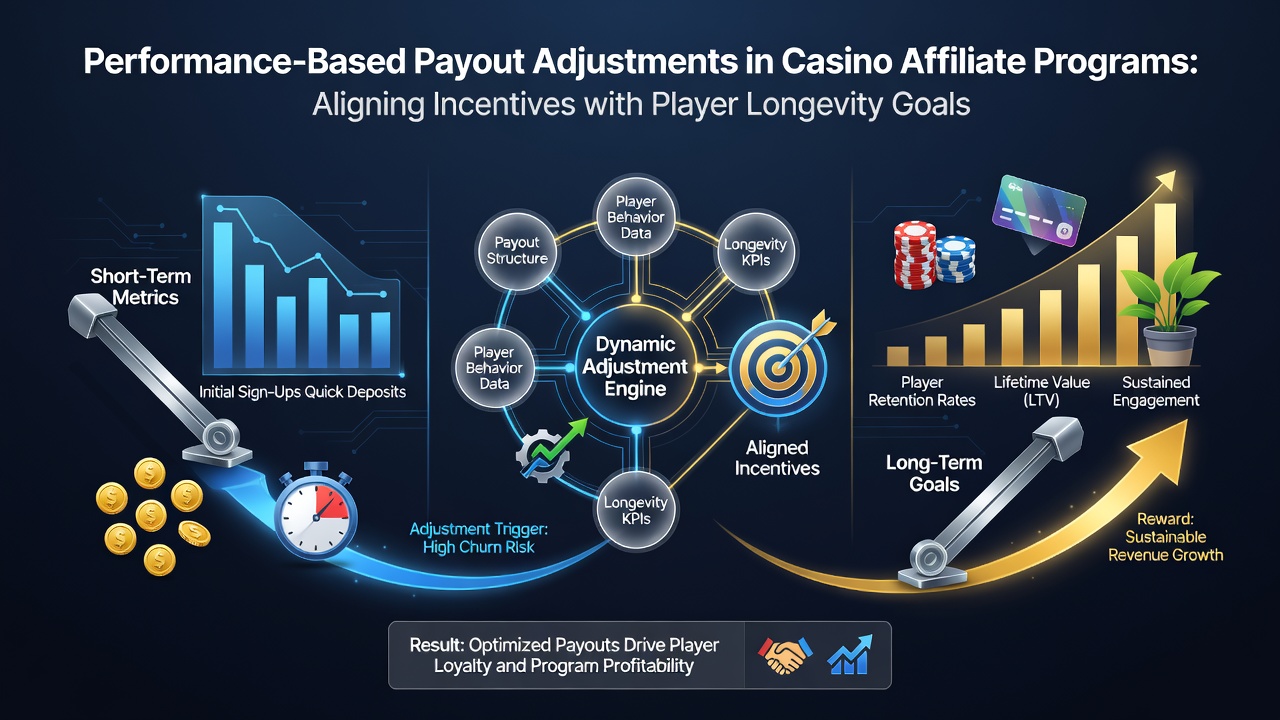
Performance-based payout adjustments have become a central feature in casino affiliate programs, where compensation structures shift from one-time acquisition fees toward metrics that track how long referred players remain active. These models tie affiliate earnings to indicators such as repeat deposits, session frequency, and overall lifetime value rather than initial sign-ups alone, and operators implement them through tiered revenue shares or bonus multipliers that activate after certain retention thresholds are met.
Core Mechanics of Adjusted Payout Structures
Traditional cost-per-acquisition payments deliver fixed amounts upon player registration or first deposit, yet many programs now layer in performance multipliers that increase the affiliate's share of net gaming revenue once a player completes a defined number of active days or wagering cycles. Data from industry tracking platforms shows that hybrid models combining an initial CPA component with escalating rev-share percentages reward affiliates who deliver players demonstrating sustained engagement, and adjustments often occur monthly based on cohort performance reviews.
Operators calculate these adjustments using formulas that factor in average revenue per user over rolling 30-day or 90-day windows, while deducting bonuses and administrative costs before applying the affiliate percentage. Programs in multiple jurisdictions have adopted automated dashboards that flag when player cohorts fall below longevity benchmarks, triggering automatic reductions in payout rates for those specific affiliates until metrics improve.
Metrics Driving Longevity Alignment
Key performance indicators include day-30 retention rates, average deposit frequency, and the ratio of active days to total registration span, with many programs weighting these elements differently depending on game vertical. Slot-focused traffic often receives higher multipliers for volume-based retention, whereas table game players may trigger bonuses tied to session length and cross-game exploration. Industry reports indicate that affiliates who optimize for these metrics see payout uplifts ranging from 15 to 35 percent above base rates when their referred players exceed operator-defined longevity targets.
What's notable is how these systems incorporate predictive elements, where early signals such as deposit patterns in the first seven days influence projected payout tiers for the entire player lifetime. Affiliates receive periodic forecasts that estimate future earnings if current retention curves hold, allowing them to adjust marketing approaches before full payout cycles complete.
Implementation Across Markets in Mid-2026
As of July 2026, several major affiliate networks report that over 60 percent of active casino programs include some form of longevity-linked adjustment, with the strongest adoption in regulated markets that emphasize responsible gaming standards. Operators in North American and European jurisdictions have introduced standardized reporting templates that require affiliates to track player health indicators alongside revenue figures, and these templates feed directly into payout algorithms.
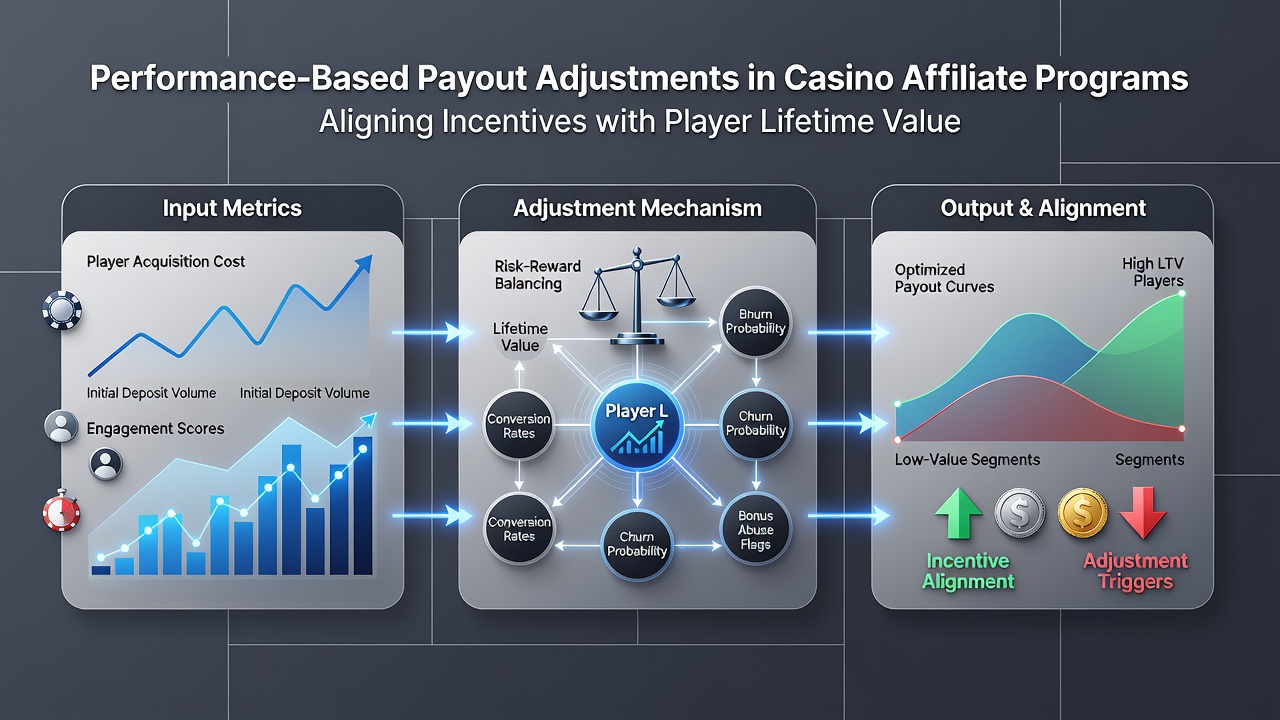
One documented approach involves quarterly recalibration where affiliates whose player bases show above-average churn receive reduced revenue shares until new cohorts demonstrate improved stickiness. Conversely, those maintaining low attrition rates unlock accelerated payment schedules or access to higher-tier commission bands. Research from gaming analytics firms reveals that such recalibrations have correlated with measurable increases in average player lifespan across multiple operator portfolios.
Compliance and Data Integration Considerations
Regulatory frameworks in various regions require transparent disclosure of how performance data influences compensation, and affiliate agreements now routinely include clauses detailing data-sharing protocols between operators and marketing partners. Systems must segregate personally identifiable information while still allowing aggregate retention analytics to drive payout decisions, and third-party auditors frequently review these processes to confirm alignment with local advertising codes.
Programs also integrate cross-platform data feeds that combine web, mobile, and live casino activity into unified player profiles, enabling more precise longevity scoring. Affiliates gain access to anonymized cohort dashboards that highlight which traffic sources produce the most durable players, supporting ongoing optimization without exposing individual account details.
Conclusion
Performance-based payout adjustments continue to evolve as operators refine the balance between acquisition volume and sustained player value, with current implementations emphasizing transparent metrics and automated recalibration. Industry observers note that these structures encourage affiliates to prioritize quality traffic sources while operators maintain tighter control over long-term revenue stability, and ongoing developments in data analytics are expected to further refine how longevity goals translate into compensation outcomes across global markets.