12 Aug 2026
Cross-Platform Data Integration for Timing Promotional Sequences in Multi-State Gaming Markets
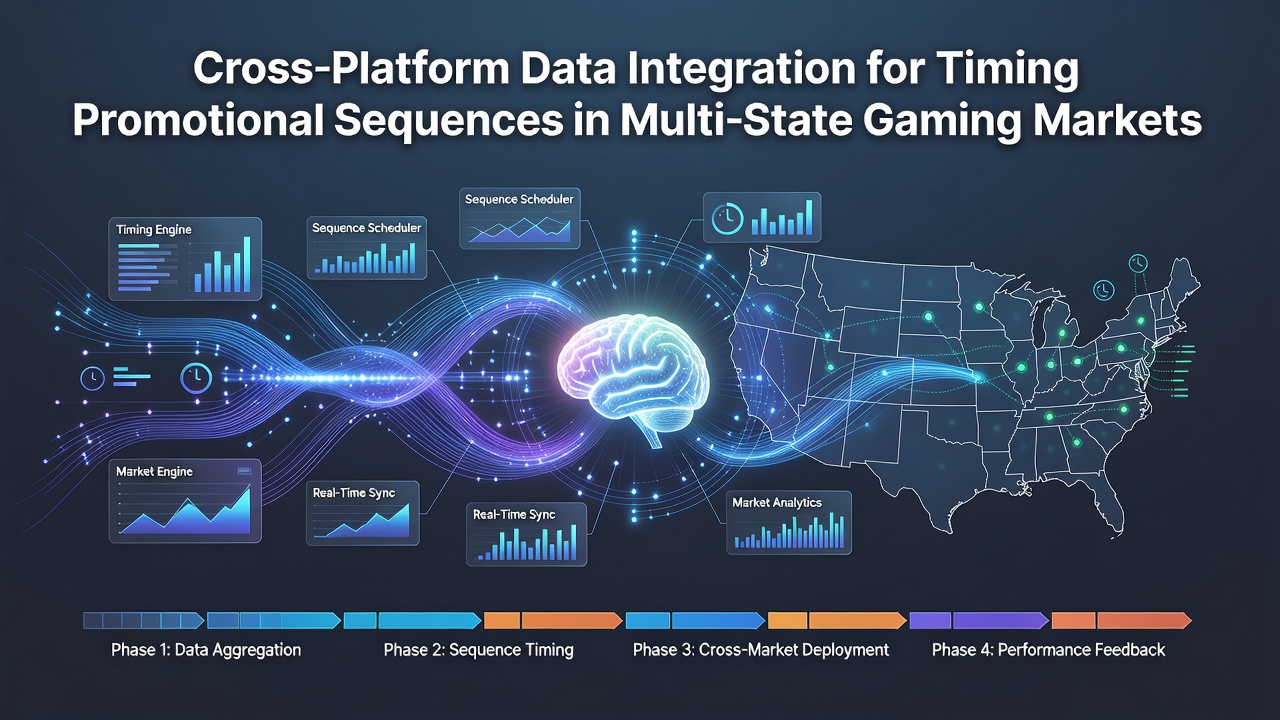
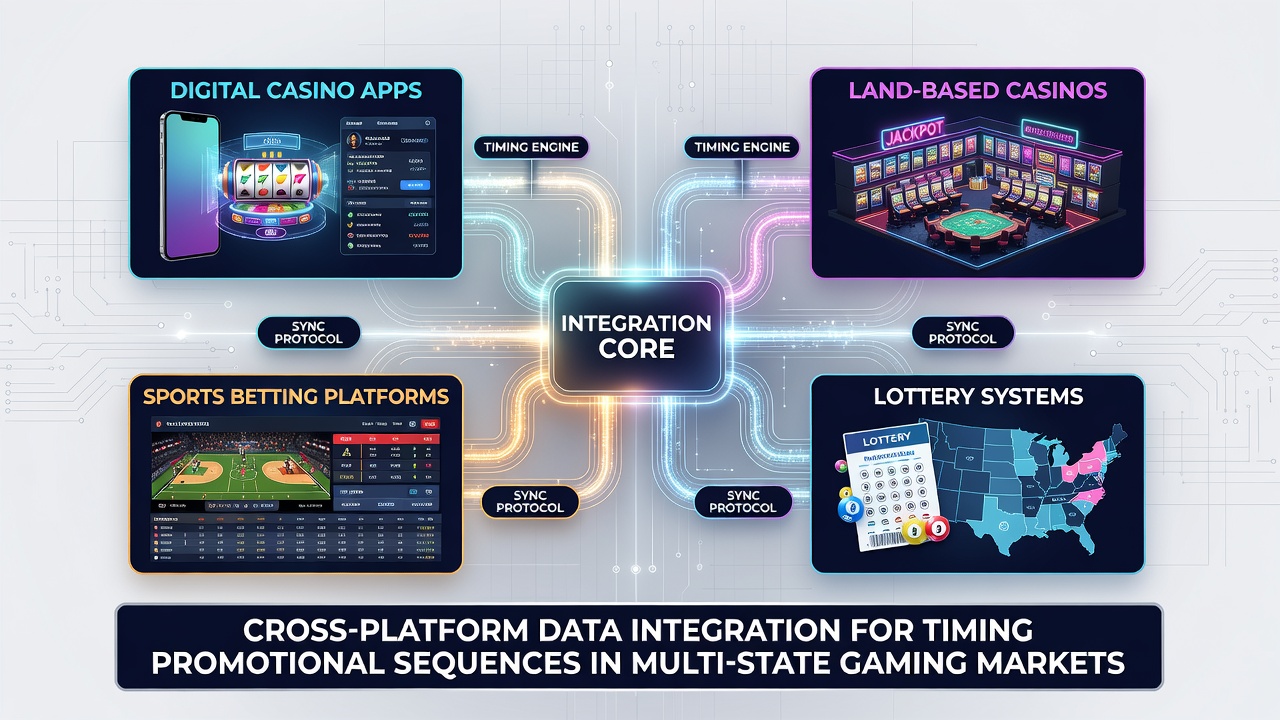
Operators in multi-state gaming markets rely on cross-platform data integration to align promotional sequences with player behavior patterns and varying regulatory windows, and this approach has gained traction as states adjust licensing rules throughout 2026. Data streams from loyalty programs, mobile apps, and on-site terminals feed into centralized systems that adjust email, push notification, and in-app offers based on real-time location and account activity. According to the American Gaming Association, synchronized data flows help operators manage bonus releases without triggering compliance flags in jurisdictions that enforce different cooling-off periods or wager requirements.
Regulatory Variations Across State Lines
States maintain distinct frameworks that affect when and how promotions reach players, so integrated platforms must track each set of rules simultaneously. Nevada and New Jersey, for instance, require specific disclosures on bonus terms, while Illinois and Pennsylvania impose additional reporting on player fund usage. Systems that pull regulatory updates from official portals allow marketing teams to pause or modify sequences the moment a new guideline appears. In August 2026 several states released revised advertising standards that tightened language around time-limited offers, prompting operators to recalibrate their automation rules within days rather than weeks.
Data Sources adn Integration Architecture
Modern architectures combine player data from disparate platforms through APIs and secure data lakes, creating unified profiles that reflect activity across desktop, mobile, and physical casino locations. Transaction logs, session durations, and redemption histories merge with geolocation signals to determine eligibility windows for each promotional tier. Observers note that this level of synchronization reduces duplicate offers and prevents sequences from firing during restricted hours in any given state. Research from the National Association of Gaming Regulators indicates that operators using such integrated feeds report fewer compliance incidents compared with those relying on separate regional databases.
Optimizing Sequence Timing Through Unified Analytics
Timing sequences involves more than simple scheduling; it requires continuous analysis of engagement metrics across platforms to decide when a follow-up message will produce the highest response without violating spend limits. Integrated dashboards display heat maps of player logins by state and time zone, allowing algorithms to shift delivery windows accordingly. One operator in the Midwest adjusted its progressive bonus rollout after data showed peak mobile sessions occurring two hours later in eastern markets than in central ones, and the change produced measurable lifts in conversion rates across both regions. Platforms also incorporate external signals such as local event calendars and sports schedules to avoid overlapping with high-traffic periods that might dilute promotional impact.
Compliance Automation and Audit Trails
Automated compliance checks embedded in the data pipeline flag sequences that approach state-specific thresholds, such as maximum bonus values or required playthrough multipliers. Audit logs generated by these systems record every adjustment, providing regulators with timestamped evidence of adherence. Data indicates that operators who embed these controls at the integration layer spend less time on manual reviews and encounter fewer delays when submitting monthly marketing reports. In practice, the same infrastructure that times offers also generates the documentation needed for quarterly audits, turning a potential administrative burden into a byproduct of routine operations.
Future Developments in Multi-State Coordination
Industry reports project continued growth in shared data standards as more states adopt digital licensing portals, and several consortia have begun testing common schemas for player verification data. These efforts aim to reduce the friction of maintaining separate integrations for each jurisdiction while preserving the security requirements unique to each regulator. As additional states finalize rules for online and retail integration during the remainder of 2026, platforms capable of ingesting new feeds without extensive recoding will hold a practical advantage in maintaining uninterrupted promotional calendars.
Conclusion
Cross-platform data integration supplies the technical foundation for precise promotional timing across multi-state gaming markets, allowing operators to respect jurisdictional differences while maintaining consistent player experiences. Continued refinement of data pipelines and regulatory feeds will determine how effectively these systems scale as the number of participating states increases.