3 Aug 2026
Conversational Threads in Casino Outreach: How Chatbots Sequence Personalized Retention Messages Across Platforms in Markets Facing Advertising Caps
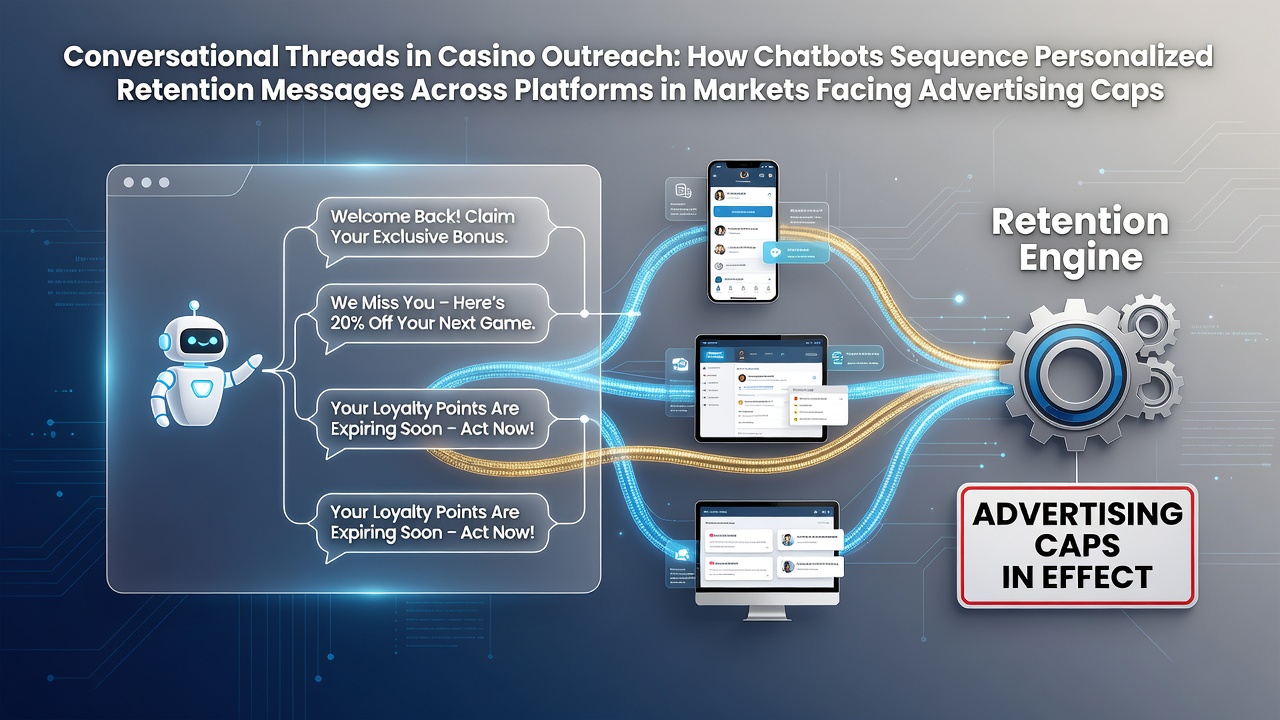
Markets with strict advertising caps have pushed casino operators toward automated systems that maintain player contact through structured conversational threads, and these threads rely on chatbots to deliver timed, personalized retention messages that adapt across mobile apps, SMS, email, and social messaging services. Data from regulatory filings in several jurisdictions show increased adoption of such systems during the first half of 2026, particularly where traditional promotional channels face spending or reach limits.
Platform Integration and Thread Continuity
Operators connect chatbots to multiple channels so that a single retention sequence can move from an in-app notification to a follow-up SMS without resetting context, and this continuity depends on shared customer data platforms that log each interaction timestamp and response. Research indicates that casinos operating in capped markets synchronize these threads through central customer relationship management tools, allowing the chatbot to reference prior messages when shifting platforms. One documented approach involves starting with a brief in-app prompt after a period of inactivity, then escalating to an SMS if no reply occurs within 48 hours, while the system preserves details such as recent game preferences or deposit history.
Sequencing Logic in Retention Campaigns
Chatbot sequences typically follow a branching structure that adjusts message content based on user behavior data, and studies of similar systems reveal patterns where initial messages focus on account status updates before introducing limited-time offers tied to previous play patterns. In August 2026, several operators reported refinements to these sequences after new compliance guidelines took effect in parts of North America and Asia, requiring explicit opt-in confirmation before cross-platform continuation. The sequencing often incorporates time-based triggers, such as sending a reactivation message seven days after the last login, followed by a more detailed offer at the 14-day mark if engagement remains low.
Regulatory Constraints Shaping Message Design
Advertising caps in multiple regions limit the volume and targeting of promotional content, which has led operators to embed retention messages within service-oriented threads rather than standalone promotions. Figures from industry associations show that chatbots now handle a larger share of post-acquisition communication in these environments because they can deliver individualized content without triggering broader advertising spend thresholds. Observers note that the design of each message must comply with disclosure rules, and the threading approach allows operators to meet those rules by referencing earlier consent records stored in the shared data system.

Cross-Platform Data Synchronization Practices
Effective thread management requires real-time data exchange between platforms, and operators achieve this through application programming interfaces that update player profiles whenever a chatbot receives a response or records an action. Reports from technology providers serving the sector indicate that synchronization latency has decreased as infrastructure improved during 2025 and 2026, enabling sequences to maintain relevance even when players switch devices mid-thread. This setup supports retention goals by ensuring that a message referencing a specific bonus appears consistently whether viewed in the casino app or via web-based messaging.
Examples of Thread Structures in Use
Take one operator that activates a three-step thread after detecting 10 days of inactivity: the first step delivers an account summary via push notification, the second step follows with a personalized game recommendation through email if the notification goes unread, and the third step uses a social messaging service to present a time-limited credit if prior steps yield no response. Data collected from similar deployments reveal higher response rates when the chatbot references exact details from the player's last session rather than generic offers. Another case involves a system that monitors deposit frequency and initiates a thread only when a pattern shows decline, thereby aligning messages with observed behavior instead of fixed calendars.
Technical Components Supporting Personalization
Chatbot frameworks incorporate natural language processing modules that classify incoming replies and route them into appropriate branches of the retention sequence, while backend analytics engines score each player on churn risk to determine message priority. According to technical documentation from platform vendors, these engines draw on variables such as session length, game type, and response history to adjust tone and incentive level within each thread. Integration with external compliance databases further ensures that sequences pause or modify content when regulatory flags appear on an account.
Measurement of Thread Effectiveness
Operators track open rates, reply rates, and subsequent deposit activity as primary metrics for evaluating conversational retention threads, and aggregated figures released by several casino groups in mid-2026 showed measurable lifts in return rates for players reached through sequenced chatbot outreach compared with single-channel attempts. These measurements feed back into the sequencing logic so that underperforming branches receive adjusted timing or content in subsequent cycles. The process remains iterative because regulatory changes can alter allowable message elements at any point.
Conclusion
Conversational threads managed by chatbots provide a mechanism for casinos to sustain player contact under advertising restrictions by sequencing personalized retention messages across connected platforms with shared data continuity. Implementation details continue to evolve as operators refine branching logic, synchronization methods, and compliance checks, and available records from 2026 document steady integration of these systems in markets where traditional promotional channels face volume or targeting limits. National Council on Problem Gambling resources and reports from the Australian Institute of Criminology supply additional context on responsible communication practices within such frameworks.