29 Jun 2026
Casino Operators Testing Voice Assistant Integrations to Subtly Guide Players Toward Licensed Platforms in Voice-First Households

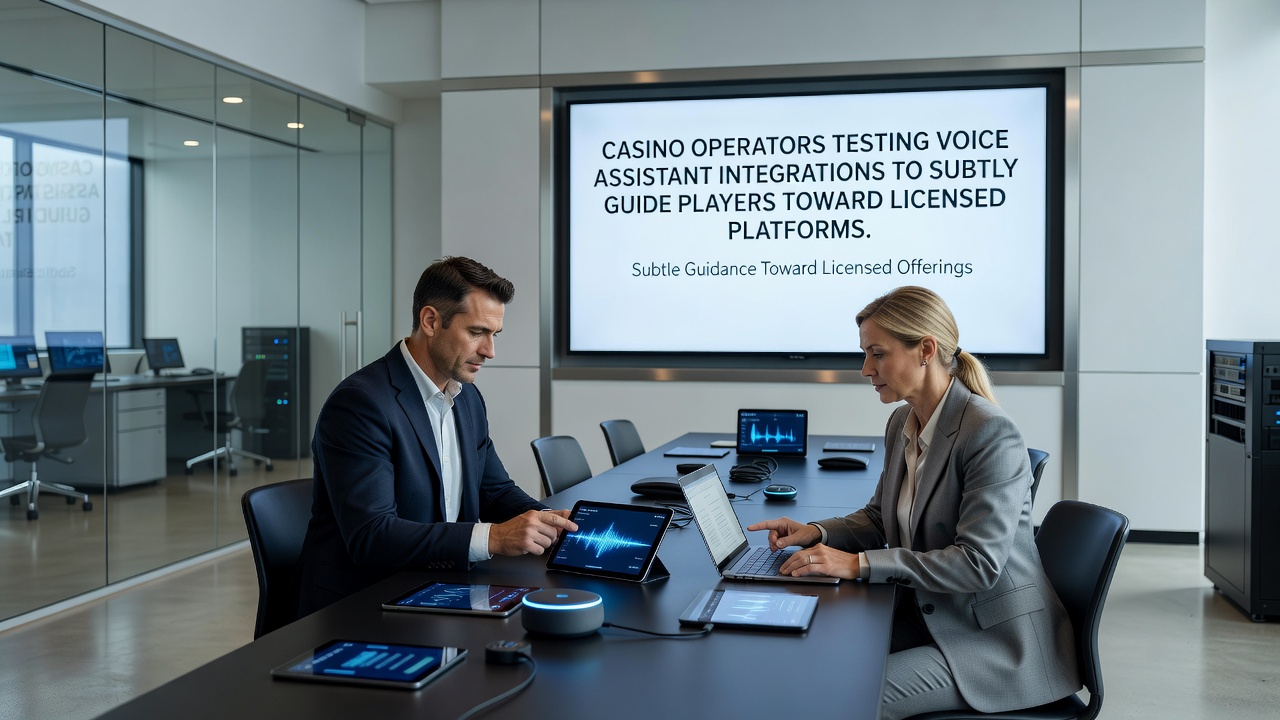
Voice assistants now sit at the center of daily routines in millions of homes where people issue commands for everything from weather updates to product orders, and casino operators have begun exploring how these same systems might direct users toward regulated gaming sites rather than unlicensed alternatives. Tests underway in several markets show operators embedding prompts that activate when users mention gambling-related terms, then routing them to platforms holding proper licenses from state or provincial authorities.
Expansion of Voice-First Households Shapes New Access Patterns
Households relying primarily on voice commands grew steadily through 2025 and into 2026, with adoption rates climbing above 45 percent in North American markets according to industry tracking data. People often speak queries about casino games or bonus offers directly into devices, which creates an opening for operators to insert compliant responses that prioritize licensed options. Developers working with major platforms report that integration requires careful phrasing so suggestions remain helpful without crossing into direct solicitation that could violate advertising rules.
Mechanics of Subtle Guidance Through Voice Prompts
Early trials involve partnerships between casino groups and voice platform teams where specific trigger words activate neutral information about available legal sites. When a user asks about a particular slot title or poker variant, the assistant responds with details on where that game appears on licensed platforms, complete with links or app referrals that comply with geo-location checks. Observers note these exchanges typically last under fifteen seconds yet deliver enough information to steer traffic away from offshore domains that lack oversight from bodies such as the Nevada Gaming Control Board or the Alcohol and Gaming Commission of Ontario.
Technical Requirements and Data Handling Standards
Voice integration demands secure handling of location data so responses only surface when users sit inside jurisdictions that permit the activity. Engineers build fallback protocols that stay silent or redirect to educational resources whenever the query originates from a restricted area. June 2026 updates from several testing groups showed improved accuracy in detecting household voice profiles, which helps prevent accidental prompts to minors while maintaining session privacy under existing data protection frameworks.
Regulatory Alignment Across Multiple Jurisdictions
Operators coordinate with regulators in advance of any public rollout, submitting sample dialogues for review to confirm they meet standards set by authorities in the United States, Canada, and parts of the European Union. Data from these reviews indicates that clear disclosure language must appear within the first response, informing listeners that results reflect only licensed operators. Australian regulators have also examined similar frameworks through the Australian Communications and Media Authority, providing additional reference points for cross-border operators managing multi-jurisdiction campaigns.
One study released by researchers at the University of Nevada Reno examined how voice prompts influence user navigation toward regulated sites, finding measurable shifts in traffic patterns when suggestions appear early in the conversation. The work tracked anonymized query logs over six months and noted that households receiving licensed guidance showed higher return visits to verified platforms compared with control groups.
Industry Partnerships and Pilot Program Outcomes
Collaborations between casino technology providers and voice assistant manufacturers have produced several limited pilots running through the first half of 2026. These programs focus on common household queries about game rules or payout percentages, then supply factual answers that include registration steps for legal sites. Results shared at recent gaming conferences revealed that conversion rates from voice referrals remain modest yet consistent, with operators reporting steady growth in new accounts traced back to assistant interactions.
Privacy Considerations and User Trust Factors
Developers emphasize opt-in mechanisms so households control whether gaming-related prompts activate at all. Clear settings panels allow users to disable the feature without affecting other voice functions. Research teams continue monitoring how repeated exposure to licensed guidance affects long-term behavior, particularly around recognition of authorized versus unauthorized platforms.
Conclusion
Voice assistant integrations represent one avenue casino operators explore to connect with audiences already embedded in voice-first routines. Current tests emphasize compliance through location verification, regulatory pre-approval, and neutral language that directs users toward platforms holding valid licenses. Continued refinement of these systems depends on feedback from both regulators and users, with further developments expected as adoption of voice technology expands across additional markets.