13 Jul 2026
Algorithmic Sequencing of Incentives: How Data Models Refine Engagement Protocols in Regulated Digital Wagering Spaces
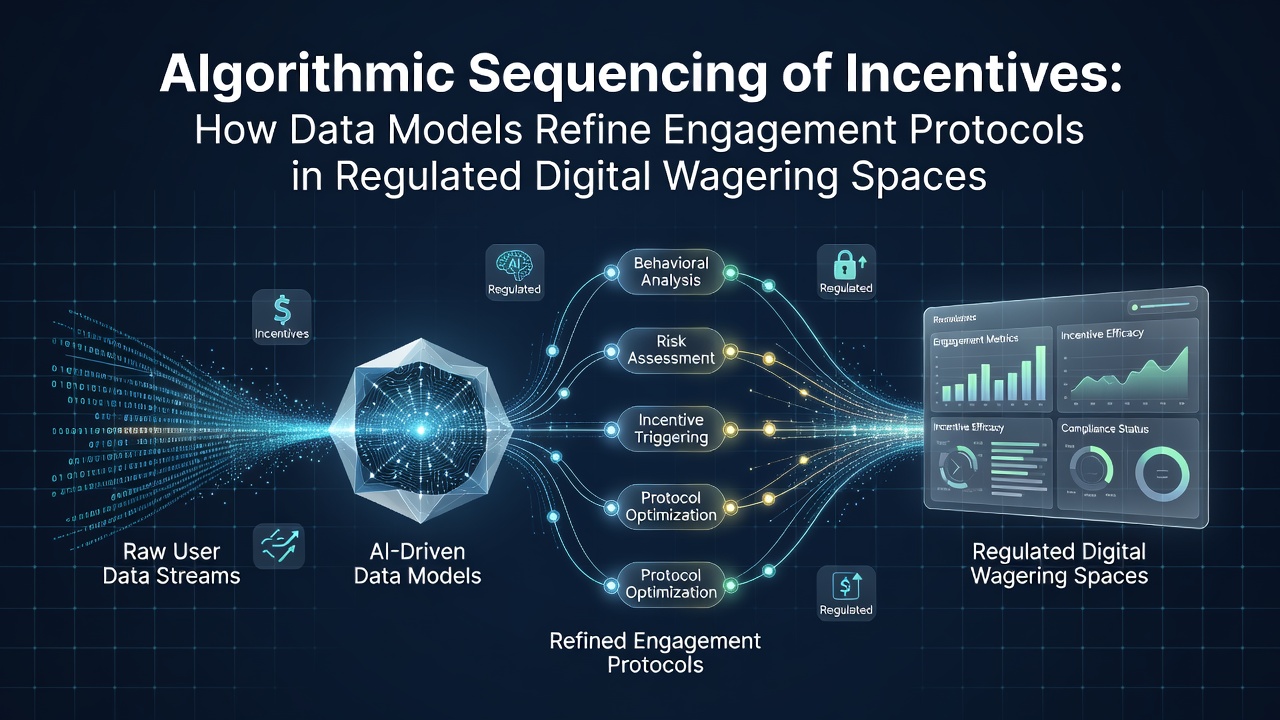
Operators in regulated digital wagering spaces now rely on algorithmic sequencing to deliver incentives at precise moments that align with individual player patterns and jurisdictional rules. These systems analyze behavioral data streams to determine when bonuses, loyalty rewards, or promotional offers reach users without violating advertising or responsible gaming standards that many regions enforce. In July 2026 platforms across multiple markets continue to adjust these sequences as new compliance requirements emerge from state and provincial agencies.
Data Models Driving Incentive Timing
Advanced machine learning frameworks process real-time inputs such as session duration, deposit frequency, and game preference to build predictive profiles for each account. Researchers at institutions including the University of Nevada Reno have documented how gradient boosting techniques identify optimal windows for incentive delivery that increase session continuation rates while remaining within daily contact limits set by regulators. One operator in New Jersey observed measurable lifts in retention metrics after switching from static bonus calendars to dynamic models that recalibrate every four hours based on live activity feeds.
Core Components of Sequencing Algorithms
- Behavioral clustering that groups players by risk tier and engagement velocity
- Compliance filters that block offers when local rules restrict promotional frequency
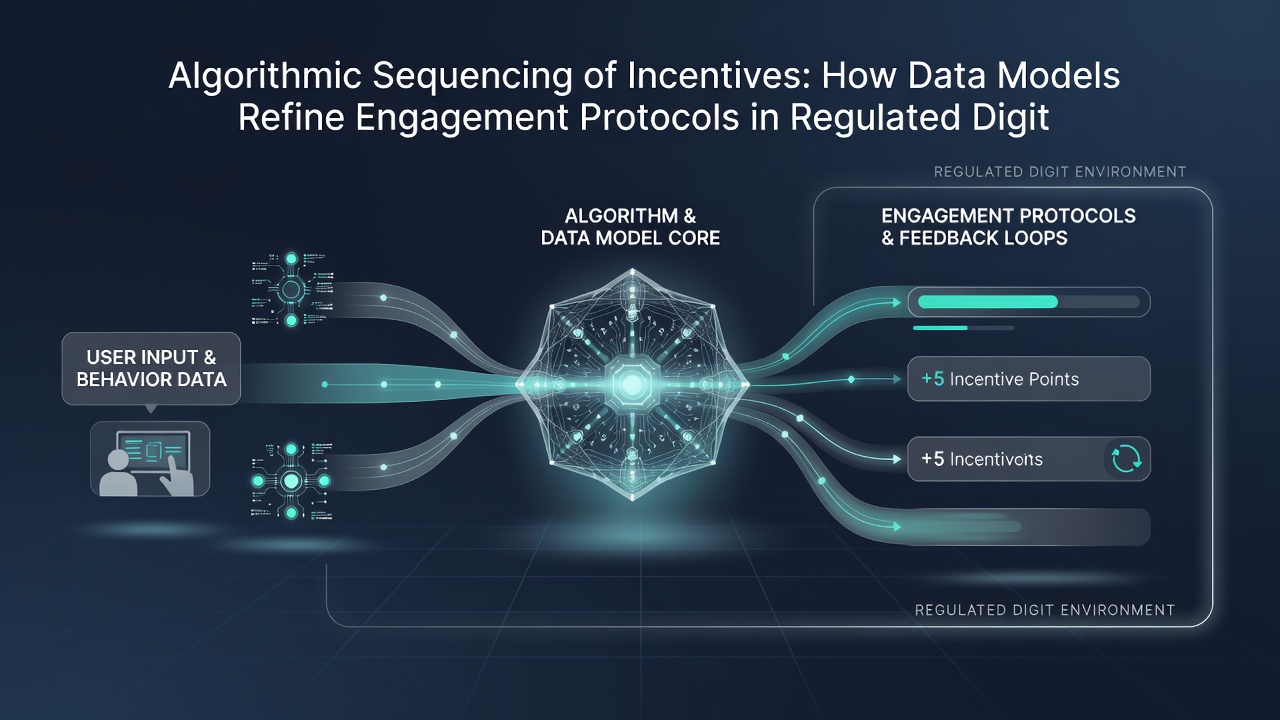
- Feedback loops that update model weights after each interaction cycle
These components operate together so that an incentive scheduled for a high-value player arrives only after the system confirms the account has not exceeded contact thresholds established by the relevant gaming authority. Data from the Nevada Gaming Control Board shows operators submitting monthly reports on automated sequencing logs to demonstrate adherence to these safeguards.
Regulatory Frameworks Shaping Model Design
Regulated markets impose strict parameters on how and when incentives reach players. The Alcohol and Gaming Commission of Ontario requires documented audit trails for every algorithmic decision that triggers a bonus, while Australian state regulators demand pre-approval for any sequence that could encourage extended play among self-excluded accounts. Models therefore embed rule engines that cross-reference player location, account status, and historical contact records before releasing an offer. This integration prevents violations that once resulted in fines when manual scheduling fell out of alignment with evolving statutes.
What's interesting is how these same compliance layers have become competitive advantages for operators who can demonstrate transparent model governance during licensing renewals. Platforms that maintain version-controlled algorithm repositories pass audits more quickly than those relying on opaque legacy systems.
Case Applications Across Jurisdictions
In Ontario one major platform deployed a reinforcement learning layer that sequences free-spin offers based on predicted churn probability calculated from the previous seven days of activity. The approach produced documented reductions in player dormancy rates during the first half of 2026 while satisfying the commission's requirement for non-intrusive contact intervals. Across the border in Michigan similar models now incorporate geo-fencing data to ensure offers reach only accounts physically located inside approved wagering zones at the moment of delivery.
European operators licensed under the Malta Gaming Authority have begun testing multi-armed bandit algorithms that allocate incentive budgets across player segments in real time. These tests run alongside mandatory responsible gaming checks that pause sequences when velocity thresholds signal potential harm. Figures released by the authority in mid-2026 indicate participating licensees report fewer compliance queries after adopting such adaptive controls.
Future Refinements Expected by Late 2026
Industry observers anticipate further integration of natural language processing modules that parse support chat logs and forum posts to refine incentive tone and timing. Such additions would allow sequences to shift from generic bonus codes toward personalized messages that still satisfy strict language guidelines imposed by regulators. Training datasets for these modules draw from anonymized interaction histories that operators already submit to oversight bodies in quarterly compliance packages.
Conclusion
Algorithmic sequencing of incentives has moved from experimental pilot to standard infrastructure inside regulated digital wagering environments. Data models now coordinate engagement protocols with regulatory boundaries so that operators can maintain player activity while satisfying documentation and frequency rules across multiple jurisdictions. Continued refinement of these systems will hinge on transparent reporting practices and cross-border alignment of technical standards as markets update their frameworks through the remainder of 2026.